
As a seasoned family law attorney practicing along the vulnerable North Carolina coastline, I can tell you that nothing tests the structural integrity of a child custody order quite like a named storm churning in the Atlantic. When meteorologists start tracking a cone of uncertainty toward Cape Fear, parents understandably kick into high gear.
But if you flip through your current child custody agreement, you will likely find pages detailing who gets the kids on Thanksgiving in odd-numbered years, yet absolutely zero instructions on what to do when a Category 3 hurricane recommends evacuation and the custodial parent is staying.
“I’ve spent decades watching the horizon every August and September, and let me tell you, the weather isn’t the only storm brewing. Every single year, like clockwork, our office phones start ringing off the hook the moment the Governor declares a state of emergency. Parents don’t fight about the rainfall totals; they fight about the escape route. If you wait until the storm is named to negotiate your evacuation boundaries, you are already underwater.”
–Jessica Aurthr, Senior Partner, Cape Fear Family Law
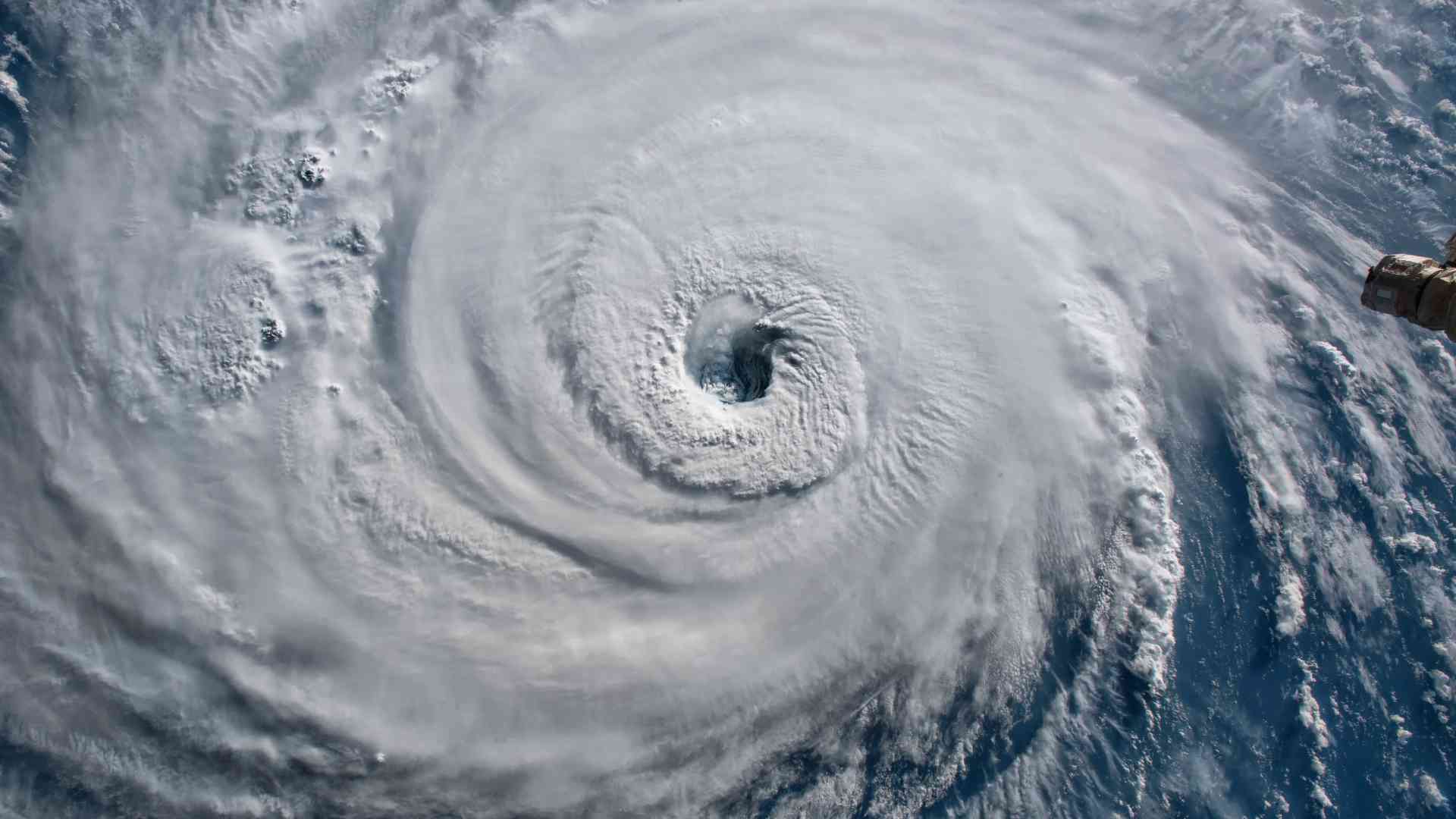
The Myth of the “Inland Safe Haven”
When a storm threatens our coastline, a common reflex for coastal parents is to declare they are taking the kids and fleeing inland to cities like Charlotte. However, escaping the coast does not automatically guarantee safety, nor does it give you a blank check to ignore your court-ordered custody schedule.
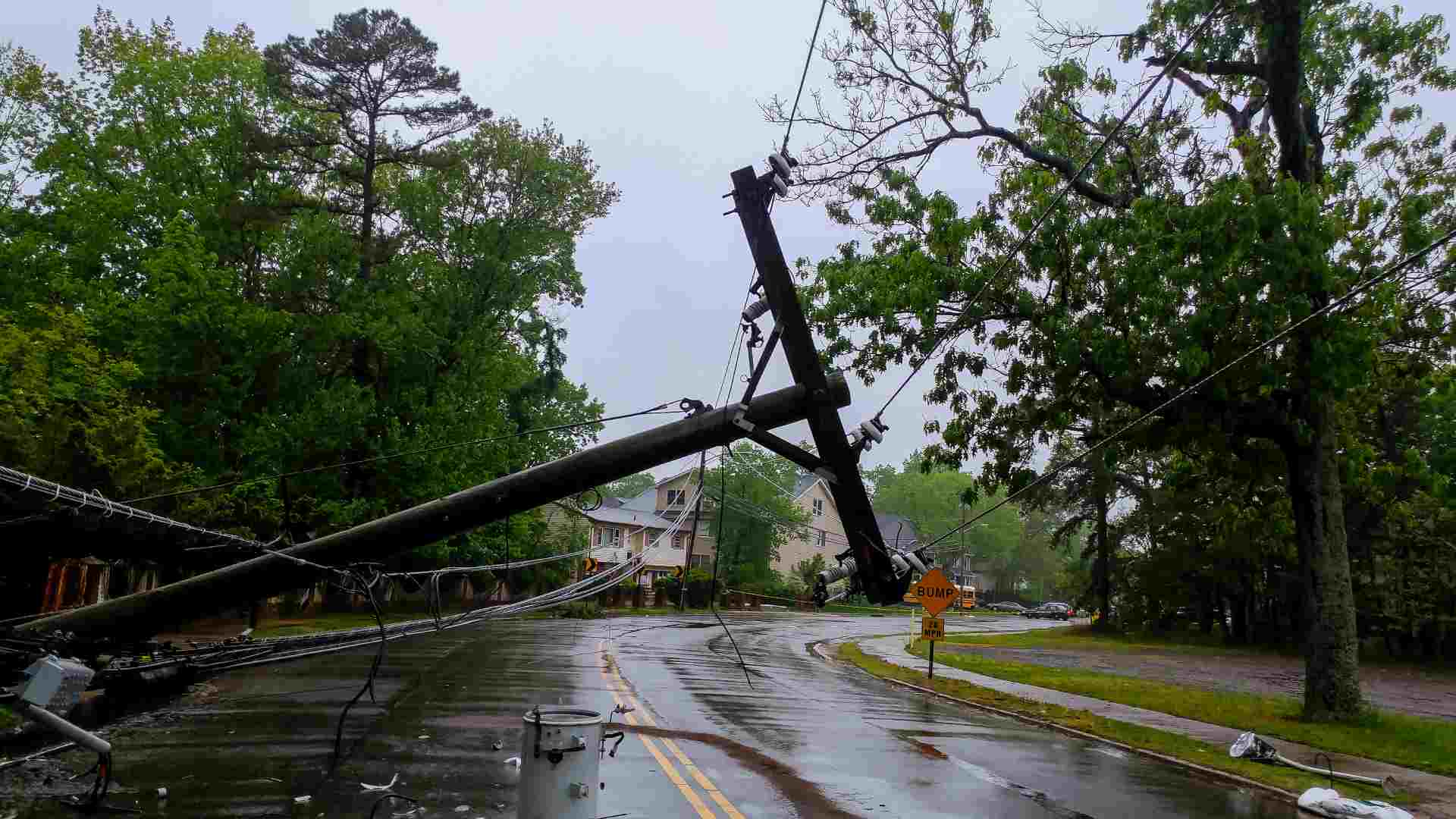
As reported by local news outlets like the WCNC Weather Impact Team during Hurricane Helene in late September 2024, inland storm tracks can be profoundly deceptive and destructive. While the coastal plains of North Carolina were largely spared the catastrophic brunt of Helene, the storm traveled inland, downing massive trees, knocking out power to over a million people, and causing tragic fatalities right in the Charlotte metropolitan area.
Historically, the North Carolina State Climate Office points out that 1989’s Hurricane Hugo blasted Charlotte with terrifying, unbelievable 100-mph winds that shattered high-rise skyscraper windows and flattened entire residential neighborhoods—long after inland residents assumed they were perfectly safe from a tropical system.
The legal takeaway here is direct: you cannot unilaterally decide to move the children hundreds of miles away under the guise of an “evacuation” if the destination you are choosing is actively entering a different danger zone. Any evacuation plan must be rooted in objective safety data, not used as an artificial excuse to strip the other parent of their scheduled custodial time.

When Personalities Clash: The Anxious Nelly vs. The Laissez-Faire Parent
In a perfect world, co-parents would view storm risks identically. In reality, natural disasters amplify existing ideological cracks. We frequently see a high-stakes standoff between two distinct archetypes:
- The Anxious Nelly: The parent who buys three pallets of bottled water, boards up the windows for a minor tropical storm, and wants to flee to Ohio the moment a tropical depression forms in the Caribbean.
- The Laissez-Faire Parent: The “hurricane party” enthusiast who refuses to pack up for a Category 4 because “the old oak trees in the yard haven’t fallen yet” and they have a generator and a cooler full of ice (not to mention “adult sodas”).
Legally, your child custody order remains 100% binding even through an official, mandatory evacuation order issued for your specific residential zone. If local authorities issue a voluntary evacuation, and one parent chooses to stay while the other wants to leave, the parent who has physical custody during those specific days legally calls the shots. The “Anxious Nelly” cannot refuse to return the children for the other parent’s weekend just because they determine staying on the coast to be risky. If they do so, they are likely to face contempt proceedings unless the house is flattened or flooded, which we all hope does not happen, but could prove them right in violating the order.
Here is a key idea and concept for the parents with nerves of steel – negotiate to let them take the children and you get something bigger than the hurricane weekend off in return. Want that week in the summer you’ve been denied all along – now is the time to ask and get it in writing. Need to get some back child extracurricular expenses you could not pay wiped off the table? Asking never hurt anyone because the other side has the right to say no and it may be worth it financially to them to swap weekends or lose time.
Conversely, the “Laissez-Faire” parent cannot willfully ignore a mandatory evacuation order while the children are in their care without exposing themselves to a subsequent motion for emergency modification or a contempt citation based on reckless child endangerment. Yes, this stands for you too Mr. Survivalist (aka Mr. I’ve Survived Worse) and Mrs. Naked-and-Afraid Aficionado.
Who Gets Custody of the Children—and the Pets?
When an official mandatory evacuation is executed, the standard custody rotation is effectively paused by necessity of survival. The overriding legal standard in North Carolina is always the best interests of the child. If a storm forces you out of your home, the children go with the parent who is currently exercising physical custody at that moment, unless that parent is physically trapped or unable to provide a safe evacuation route.
But what about the four-legged family members?
Under North Carolina law, pets are strictly classified as personal property. However, from an emotional and psychological standpoint, your children view their pets as vital members of the family and primary sources of emotional comfort during a crisis.
If the custody order doesn’t mention pets (and 99% of them don’t), the parent fleeing with the children should make every reasonable effort to bring the family pets along, provided the evacuation destination or emergency shelter permits animals. Forcing a child to abandon a dog or cat because a parent failed to plan ahead can inflict deep emotional scars—something a family court judge will look upon with extreme distaste during a post-storm custody review.
Jessica’s Legal Insight: Look, I love my pets, and I know your kids love theirs. Legally arguing over a golden retriever like it’s a piece of living room furniture while the storm surges is a terrible look in front of a judge. If your ex has the kids and a storm is coming, let the family dog go with them. Don’t let your personal pride create a scenario where a child is traumatized by leaving a pet behind in a rising flood zone.

Lessons from Hurricane Katrina: The High Price of Long-Term Displacement
To understand why proactive hurricane planning is a strict legal and parental necessity, we only have to look at the tragic lessons carved out by Hurricane Katrina in New Orleans.
Following Katrina’s catastrophic landfall, thousands of families were scattered across multiple states without a centralized tracking system. Family law courts saw an unprecedented surge in “custody blackouts”—periods lasting weeks or even months where one parent literally could not locate their child due to collapsed cellular networks, destroyed physical records, and chaotic emergency housing placements.
Sociological and psychological studies on the children of Katrina revealed that this prolonged displacement, paired with the sudden, unexplained communication blackout from a primary parent, caused deep, long-lasting psychological trauma and severe educational setbacks. The ultimate lesson for North Carolina co-parents is clear: you must establish a redundant communication plan and exchange evacuation addresses before the grid goes down.
The Essential NC Custody Hurricane Readiness Checklist
Whether you are the primary custodial parent or the visiting parent for a single weekend, you must have an emergency “go-bag” prepared for the children before the peak of the season arrives.
Critical Documents (Keep in a Waterproof, Sealed Bag)
- A certified copy of your current North Carolina Child Custody Order.
- Up-to-date copies of the children’s health insurance cards and complete medical records.
- A signed Medical Authorization Form granting permission to seek emergency treatment if you are separated from the other parent.
- Clear, recent physical photographs of the children and their pets (in case of accidental separation in emergency shelters).
- A list of necessary medications your children need and any medical conditions.
Communication & Power Backup
- A printed, laminated list of emergency contacts, including the other parent’s cell, workplace, and the phone number of a designated out-of-state emergency contact who can act as a central clearinghouse for information.
- Fully charged portable power banks wrapped in waterproof casing.
Life & Comfort Essentials
- A minimum 7-day supply of any specialized prescription medications or inhalers the children require.
- The child’s primary “comfort item” (the specific stuffed animal, blanket, or book they absolutely require to sleep).
- A pet emergency kit: vaccination records, a secure collar with ID tags, a leash, and at least three days of food.

Navigating the Storm Safely
When the skies darken, your primary goal is to strip the ego out of your co-parenting dynamic and put your children’s physical and emotional safety first. If you anticipate that your co-parent will use an impending storm to withhold your children, or if they refuse to cooperate with basic, common-sense safety measures, you need to address these legal gaps before a hurricane enters the Atlantic.
Jessica’s Final Thought: Don’t wait for a Category 4 to head toward our beaches before you decide to look at the wording of your custody agreement. A poorly written custody order can be just as dangerous to your peace of mind as a compromised roof. Let’s fix the paperwork and draft a comprehensive emergency addendum while the weather is still clear.