
Direct Answer
“North Carolina custody courts evaluate the best interest of the child, not a clinical diagnosis. But the behaviors associated with narcissistic personality disorder, including gaslighting, triangulation, parental alienation, refusal to co-parent, and conflict-driving, show up as documented patterns and can directly affect custody. Children exposed to those patterns can learn and replicate them. It’s a Court’s duty ultimately to help the parent to protect the children from these behaviors.”
— Connor Wallace Green, Family Law Attorney and Legal Analyst

How Do NC Family Courts Handle a Narcissistic Parent?
North Carolina family courts do not usually decide custody by asking, “Is this parent a narcissist?” They ask a more useful question:
What is happening to the child?
That distinction matters. A parent may believe, with every fiber of her exhausted nervous system, that the other parent has narcissistic personality disorder. She may have lived through the gaslighting, the circular arguments, the public charm, the private cruelty, the sudden victim act, the “I never said that” routine, and the weaponized co-parenting calendar that somehow becomes a Rubik’s Cube with teeth. 🧩
But in court, labels are usually less powerful than proof, and an expert’s actual diagnosis.
North Carolina custody orders must award custody to the person or arrangement that “will best promote the interest and welfare of the child.” The statute also requires courts to consider relevant factors, including domestic violence and child safety. (North Carolina General Assembly) North Carolina courts and the North Carolina Judicial Branch describe custody decisions as being based on the child’s best interests, including factors such as the parents’ living arrangements, each parent’s ability to care for the child, the child’s relationship with each parent, and other facts affecting the child’s welfare. (North Carolina Courts)
So, if you are co-parenting with someone you believe has narcissistic traits, the court-ready question is not:
- “How do I prove my ex is a narcissist?”
The better question is:
- “How do I prove the other parent’s behaviors are harming the child, destabilizing the schedule, undermining my relationship with the child, or violating the custody order?”
That is where the case begins to breathe.
From a case she handled over two years ago, Janet fondly remembered a client with these issues and reminisced, “she did not come to me as a victim but as a mother who had survived years of quiet control, starting when dad “forced” her to breastfeed and used it to isolate her from everyone who might have helped her. When she was ready to fight for her children, we stopped relying on vague history and began building a precise record: missed exchanges logged by date, blocked number calls preserved, hostile text and Meta messages saved instead of deleted, and school records documenting the children’s anxiety.” Janet further went on to explain that it took over a year and at least four (4) hearings in court. “Hearing by hearing, we laid out repeated violations of court orders until the judge could see this was not “high conflict” but one parent systematically undermining the children’s stability while the other followed the rules and documented the harm. In the end, her heroism was not a single dramatic act but the steady, courageous choice to believe her own experience, protect her children, and turn years of abuse into the evidence that finally kept them safe.” Janet L. Gemmell, Board Certified Family Law Specialist and Founder.

What Is Narcissistic Personality Disorder, Legally Speaking?
Legally speaking, narcissistic personality disorder is not the main event in most custody cases.
Clinically, NPD is a mental health diagnosis. The Merck Manual describes narcissistic personality disorder as a pervasive pattern of grandiosity, need for admiration, and lack of empathy, diagnosed by clinical criteria. (Merck Manuals) The American Psychiatric Association similarly describes NPD as involving a pervasive pattern of grandiosity, need for admiration, and lack of empathy. (American Psychiatric Association)
But a North Carolina custody judge is not your co-parent’s therapist. The judge’s job is not to diagnose nor to listen to your diagnosis without any type of medical degree. The judge’s job is to decide what custodial arrangement best serves your child.
That means you should translate the “narcissist” label into observable custody behaviors.
How Narcissistic Behaviors Become Evidence in NC Custody Court
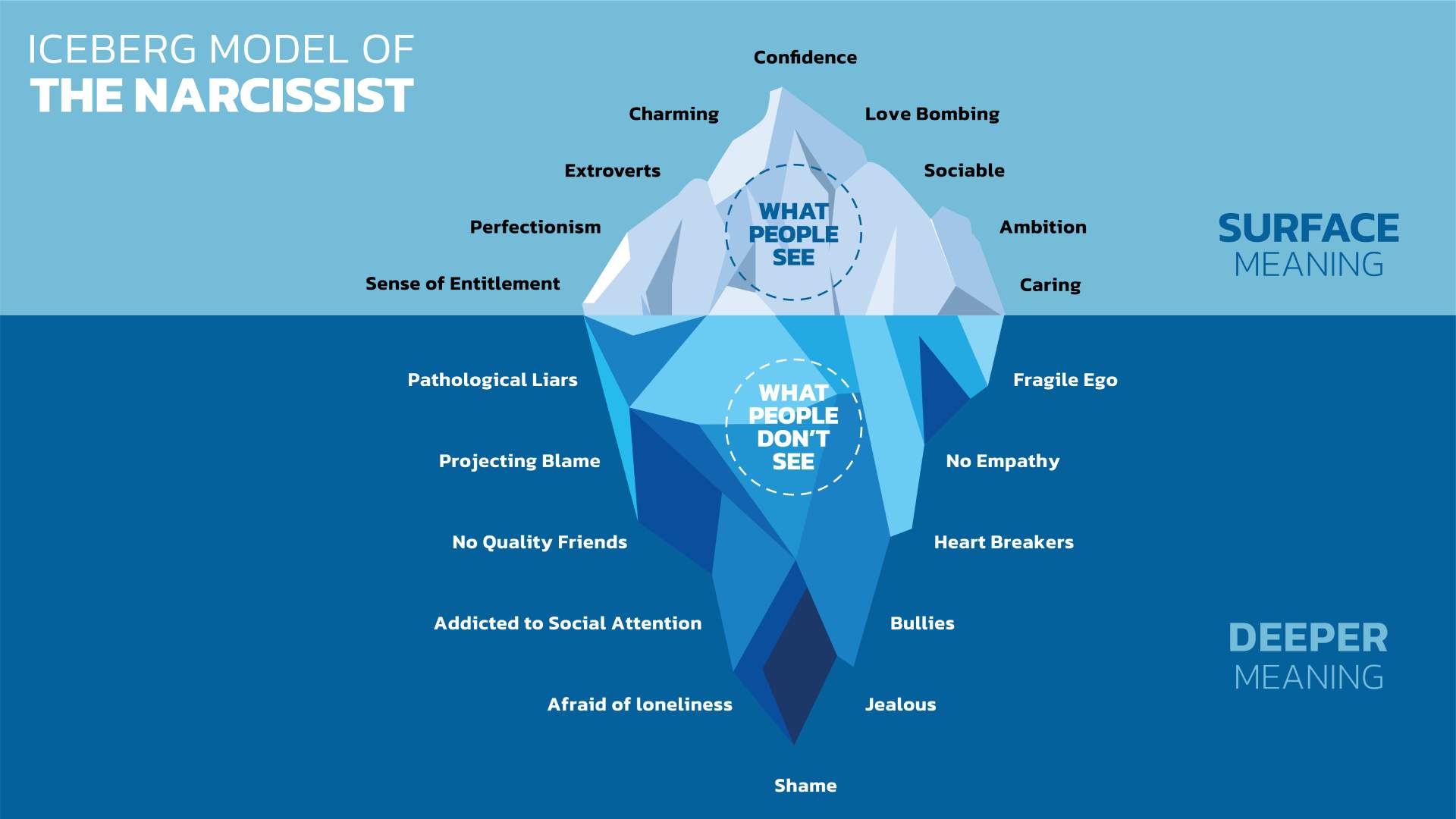
A personality label may not move the needle. A pattern can. Here is how narcissistic-style conduct may show up in a custody case:
Parentification is a real psychological concept. Research describes parentification as occurring when youth are forced into developmentally inappropriate adult-like roles and responsibilities. (PMC) Emotional parentification specifically involves children providing ongoing emotional support to a parent. (PMC)
Enmeshment is a dynamic and series of behaviors and attitudes where the boundaries between parent and child become blurred, so the child is treated less as an independent person and more as an emotional extension of the parent. In divorced families, this can look like a parent oversharing adult worries about money or court, discussing sexuality and relationships inappropriately for the child’s age and status, leaning on the child for comfort, and subtly rewarding the child for taking that parent’s side. For example, a father might tell his daughter that she is “the only one who really understands” him, complain about how unfair mom is, and expect the child to report what happens at mom’s house, framing it as “helping” him. Over time, the child can feel guilty for enjoying time with the other parent, become anxious about upsetting the enmeshed parent, and start making choices based on that parent’s feelings instead of their own needs or best interests.
For custody purposes, that matters because a child is not supposed to be the emotional support animal for an adult’s divorce.
Twelve Best-Interest Categories NC Courts Actually Have Cared About
North Carolina does not have a tidy statutory checklist titled “Eight Best-Interest Factors.” The custody statute is broader: the court must award custody to the person or arrangement that “will best promote the interest and welfare of the child,” must consider “all relevant factors,” including domestic violence and safety, and must make written findings of fact supporting the best-interest determination. (North Carolina General Assembly)
So in a narcissistic-parent custody case, the courtroom question is not, “Can we diagnose this parent from the witness stand?” It is, “What facts show how this parent’s behavior affects the child’s safety, stability, emotional development, medical care, schooling, and relationship with both parents?”
Substance Abuse and Whether It Actually Affects Parenting
North Carolina courts care about substance abuse when it affects the child’s welfare, supervision, safety, transportation, judgment, or emotional stability. But substance abuse should be linked to child impact. A UNC School of Government custody resource summarizes the point clearly: substance abuse alone does not establish lack of fitness, and the trial court must resolve how substance abuse affects the welfare of the child. (sog.unc.edu)
Findings that matter may include:
- A parent drove the child after drinking or using substances.
- A parent failed drug or alcohol screens during custodial time.
- A parent passed out, slept through supervision, or left the child unsafe.
- A parent exposed the child to intoxicated adults.
- A parent violated a sobriety condition in the custody order.
- Parent’s substance use caused missed school, missed exchanges, medical neglect, or emotional distress.
Connor-style framing:
The court usually does not care about a parent having a glass of wine. The court cares when alcohol or drugs become the third parent in the home.
Medical Care, Medication Compliance, Therapy, and Special Needs
This needs its own category because NC appellate courts have cared about it, loudly.
In Durbin v. Durbin, the North Carolina Supreme Court discussed findings involving a father who minimized the children’s medical needs, refused to cooperate with prescribed medication for asthma and life-threatening allergies, failed to administer asthma medication resulting in medical intervention, interfered with therapy, and resisted parenting coordinator directives. The Court held that escalating conflict and unwillingness to communicate or cooperate about children’s health, education, and welfare can justify custody modification.
In Eddington v. Lamb, the Court of Appeals addressed findings that a child had been prescribed ADHD medication, the father disagreed with it, and he did not ensure the child received it as prescribed. The trial court found the intermittent administration contrary to the child’s best interests and awarded joint legal custody to the parents but gave the mother the final say in such decisions. The appellate court found that the facts did not justify this deviation from true joint legal custody and remanded the case to the trial court.
Findings that matter may include:
- A parent refuses prescribed medication.
- A parent makes the child responsible for their own medication when inappropriate.
- A parent cancels therapy during custodial time.
- A parent refuses to sign releases or communicate with doctors.
- A parent blocks the other parent from school, therapy, medical portals, or prescription information.
- A parent treats a serious diagnosis as “dramatic” or “fake.”
- A child’s symptoms worsen after time with the noncompliant parent.
Blog punchline:
A parent’s personality label may be debatable. A missed inhaler, skipped ADHD medication, canceled therapy appointment, or unshared diagnosis is a fact.
Domestic Violence, Threats, Coercive Control, and Child Exposure to Adult Rage
Domestic violence and safety are expressly listed in N.C. Gen. Stat. § 50-13.2, and if the court finds domestic violence occurred, it must enter orders that best protect the children and the victimized party.
NC courts also care when threatening, degrading, or rage-filled adult behavior affects the child. In Smith v. Smith, the trial court found that threatening and disparaging behavior occurred in the child’s presence, that the child overheard negative and threatening statements, and that the child began acting out with anger, aggression, and school behavior problems. The Court of Appeals upheld the modification.
Findings that matter may include:
- A parent threatens the other parent or their partner.
- A parent screams, mocks, or humiliates the other parent while the child is present.
- A parent uses intimidation at exchanges.
- A parent’s rage changes the child’s behavior after visits.
- A child becomes anxious, aggressive, disrespectful, dysregulated, or fearful after exposure.
- Parent’s messages show an inability to co-parent safely.
Useful language:
The issue is not that the parent is “high conflict.” The issue is that the child is being trained to live inside the conflict.
Parental Alienation, Relationship Interference, and False Narratives
North Carolina courts have cared when one parent damages or obstructs the child’s relationship with the other parent.
In Hasz v. Brittain, an unpublished but very useful factual illustration, the Court of Appeals discussed evidence that the mother withheld visitation, acted with hostility, made unsubstantiated abuse allegations, contacted the school accusing the father of abuse, changed schools without telling him, caused the children to fear him, and called him a pedophile and molester in the children’s presence. The trial court described the case as one of the worst parental alienation cases it had seen, and the appellate court affirmed the custody modification.
The opinion also noted that interference with visitation can support custody modification when it becomes so pervasive that it harms the child’s close relationship with the other parent.
Findings that matter may include:
- A parent blocks calls, emails, or visits.
- A parent tells the child the other parent is dangerous without proof.
- A parent makes unsupported abuse allegations to schools, doctors, DSS, coaches, or relatives.
- A parent teaches the child to call the other parent by first name instead of “Mom” or “Dad.”
- A parent tells the child adult claims about the other parent’s sexuality, relationships, motives, or litigation.
- Therapist, school counselor, DSS worker, or custody evaluator observes alienation dynamics.
Connor-style framing:
Alienation usually does not arrive wearing a name tag. It arrives as “I’m just protecting the children,” repeated often enough that the children start repeating it too.
Involving Children in Adult Content, Litigation, Sexual Material, or Adult Emotional Drama
This is a major one for the narcissistic-parent blog.
Courts care when children are dragged into adult disputes. In Durbin, the order directed parents not to discuss court proceedings with the children, and the father’s disclosure of potential custody changes before the order was entered caused distress to the children.
Courts also care about exposure to sexual danger or inappropriate sexual material. In Meadows v. Meadows, the Court of Appeals said allegations involving child pornography were critical to determining the child’s best interests and health and safety, even though the investigation was incomplete and visitation remained supervised. (Justia Law)
Findings that matter may include:
- A parent tells the child about court strategy, custody filings, accusations, or money disputes.
- A parent makes the child choose sides.
- A parent uses the child as a messenger, spy, therapist, or emotional support.
- A parent discusses adult sexual conduct, dating, infidelity, abuse allegations, or graphic accusations with the child.
- A parent exposes the child to pornography, sexualized content, unsafe online material, or sexually inappropriate adults.
- A child shows anxiety, confusion, sleep disruption, loyalty conflict, or regressed behavior after exposure.
Important phrasing:
A child is not a litigation assistant. A child is not a therapist. A child is not an evidence mule. When a parent keeps placing adult emotional material on the child, that can become a custody fact.
Step-Parent, Romantic Partner, and Household Relationship Dynamics
NC courts do not automatically punish a parent for dating, remarrying, or living with someone. But they do care about how a new partner affects the child.
In Green v. Green, the Court of Appeals noted that a parent’s paramour living with the parent and child was not enough by itself to determine custody. The court still had to consider all facts and decide based on the child’s best interests.
But in Smith v. Smith, the conflict around the mother’s boyfriend mattered because the father made threats and disparaging remarks about the boyfriend and others, including conduct the child overheard. The trial court found the child became confused, angry, aggressive, and dysregulated.
Where a nonparent or stepparent seeks custody, constitutional parent rights matter too. In an unpublished opinion of the Court of Appeals, Hill v. Kennedy, the Court explained that a stepfather’s compelling relationship with the child was not enough by itself to award custody without first addressing the natural parent’s protected status.
Findings that matter may include:
- A new partner has a healthy, stable, child-appropriate relationship with the child.
- A new partner is unsafe, violent, sexually inappropriate, intoxicated, unstable, or controlling.
- A parent delegates discipline or caregiving to a new partner too quickly.
- A parent prioritizes a romantic partner over the child’s routine, school, health, or emotional needs.
- A parent uses the new partner as a tool to intimidate or humiliate the other parent.
- A parent exposes the child to rapid relationship turnover or adult romantic chaos.
Blog phrasing:
A new partner is not automatically a custody problem. A new partner becomes a custody problem when the child becomes the shock absorber for adult relationship choices.
Co-Parenting Capacity, Communication, and Refusal to Follow Parenting Coordinator or Court Directives
This is where narcissistic-style behavior often becomes visible: refusal to cooperate, weaponized ambiguity, endless escalation, and contempt for neutral professionals.
In Durbin, the Supreme Court held that escalating conflict and a parent’s unwillingness to communicate or cooperate regarding children’s health, education, and welfare can constitute a substantial change in circumstances supporting modification. (Justia Law) The findings included hostility toward the parenting coordinator, refusal to answer reasonable health questions, refusal to follow medication directives, and conduct that interfered with therapy.
In Smith, the Court of Appeals also recognized that a parent’s inability to communicate reasonably about the child’s needs may adversely affect the child, and affirmed a legal custody change where the parent could not co-parent and the child was affected.
Findings that matter may include:
- A parent refuses to use OurFamilyWizard, TalkingParents, email, or agreed communication tools.
- A parent sends abusive or degrading messages.
- A parent ignores medical, school, or exchange questions.
- A parent refuses parenting coordinator decisions.
- A parent creates constant emergencies.
- A parent refuses to share records.
- A parent cannot make joint legal custody work because every decision becomes an opportunity to harm the other parent.
Practical line:
A judge may not care that your co-parent is exhausting. A judge cares when the exhaustion becomes missed therapy, missed medicine, school chaos, or a child who cannot emotionally regulate.
School Stability, Education, Truancy, Homework, and Developmental Functioning
Education is a real custody category, especially when the child’s school functioning shows stress.
In an unpublished opinion, Daniele v. Daniele, the trial court considered claims about school attendance, education, extracurriculars, dental care, therapy, domestic conflict, relocation, and the children’s relationships. The findings noted the mother had been slow to respond to school attendance and education issues, to the point that the school sent the matter to truancy mediation.
Findings that matter may include:
- A parent causes tardiness, absences, truancy, missed assignments, or school instability.
- A parent changes school without agreement or notice.
- A parent refuses IEP, 504, tutoring, testing, therapy, or school recommendations.
- A child’s grades, attendance, discipline, or emotional functioning decline.
- A parent uses school staff as part of the custody fight.
- A parent blocks the other parent from school records or teacher communication.
Useful phrase:
School records are often the quietest witness in the room, and sometimes the most persuasive.
The Child’s Emotional Regulation and Learned Behavior
This category is especially important for the blog’s “kids learn the traits” section.
In its unpublished opinion in Smith, the trial court found that the child returned from the father’s custodial time angry, aggressive, disrespectful, and noncompliant, and that it took the mother three to four days to re-regulate the child. The trial court further found the child was old enough to understand the father’s harmful and threatening comments, was “learning this behavior,” and was acting it out at school and at home.
That is exactly the kind of finding that turns “narcissistic behavior” into court-relevant evidence.
Psychologically, it also tracks. Research on childhood narcissism shows children can develop narcissistic traits through social learning and parental overvaluation, although that does not mean every child exposed to narcissistic behavior will develop narcissistic personality disorder. Ohio State’s summary of a longitudinal study reported that parental overvaluation predicted higher child narcissism over time, while parental warmth predicted self-esteem instead. (Ohio State News) The American Psychiatric Association also cautions that narcissistic traits in adolescents do not necessarily mean the person will develop narcissistic personality disorder as an adult. (American Psychiatric Association)
Findings that matter may include:
- A child mirrors the parent’s contempt, entitlement, threats, or lack of empathy.
- A child becomes aggressive, defiant, manipulative, or cruel after exposure.
- A child repeats adult phrases about the other parent.
- A child refuses accountability because the parent models blame-shifting.
- A child becomes hypervigilant, people-pleasing, or emotionally responsible for the parent.
- School reports behavioral changes after high-conflict custodial periods.
- Therapist observes loyalty conflict, splitting, triangulation, or parentification.
Better phrasing than “the child will become NPD”:
Children exposed to narcissistic-style parenting may learn narcissistic traits or maladaptive coping patterns such as entitlement, blame-shifting, manipulation, emotional invalidation, and lack of accountability. That is a risk factor, not a destiny.
Parentification, Triangulation, and Using the Child for Emotional Support
This deserves its own category because many narcissistic-style custody cases involve a parent turning the child into a confidant, protector, messenger, rescuer, or emotional spouse.
Research describes parentification as a role reversal where children take on developmentally inappropriate adult-like responsibilities. (PMC) In custody litigation, that can look like a parent telling the child about court, money, dating, trauma, abuse allegations, loneliness, or how much the parent “needs” the child.
Findings that matter may include:
- A parent cries to the child about the other parent.
- A parent says the child is “the only one who understands me.”
- A parent tells the child they will be abandoned if they enjoy time with the other parent.
- A parent makes the child responsible for managing the parent’s emotions.
- A parent uses the child to deliver messages or gather information.
- A child feels guilty for loving both parents.
- A child reports feeling responsible for keeping one parent calm.
Connor-style line:
The child can love a parent deeply and still be harmed by being drafted into adult emotional service.
Safety Around Criminal Conduct, Sexual Risk, and Unsafe Third Parties
NC courts care about dangerous adults, criminal conduct, and unresolved safety concerns.
In Meadows, the Court of Appeals emphasized that custody orders need detailed findings on issues related to child health and safety, and stated that whether a parent was viewing or storing child pornography was “certainly critical” to determining custody and was of “utmost concern” to the child’s health and safety.
The same opinion also referenced North Carolina authority that prior criminal misconduct is relevant to parental fitness when the court is deciding custody.
Findings that matter may include:
- A parent exposes the child to unsafe adults.
- A parent leaves the child with someone who has violence, sex offense, substance abuse, or serious criminal history concerns.
- A parent refuses to disclose who supervises the child.
- A parent allows unsafe internet, pornography, weapons, drugs, or sexualized conduct around the child.
- Parent’s refusal to answer safety questions prevents the court from assessing fitness.
Important distinction:
The court does not need gossip. It needs admissible safety facts.
Stability of Home, Routine, Siblings, Community, and Daily Caregiving
North Carolina courts care about the child’s daily life: who gets them to school, who knows the pediatrician, who buys the inhaler, who reads the teacher emails, who notices the anxiety, who keeps bedtime from turning feral.
In Henderson, the Court of Appeals discussed findings involving changes in living arrangements, school, healthcare disagreements, missed school days, and the need to connect those circumstances to child welfare. In Daniele, the court considered home environments, therapy, school attendance, extracurricular involvement, dental appointments, relocation, and whether relocation would damage the bond with the other parent.
Findings that matter may include:
- A parent provides consistent meals, bedtime, transportation, homework support, and medical follow-through.
- A parent has stable housing and appropriate sleeping arrangements.
- A parent supports siblings and important family relationships.
- A parents home is chaotic, unsafe, transient, or filled with adult conflict.
- A parents relocation or new household would damage the child’s relationship with the other parent.
- A parent understands the child’s routines, fears, allergies, therapy needs, friendships, and school structure.
Plain-language line:
Best interest often lives in boring details. Bedtime. Medicine. School drop-off. The parent who knows the child’s real life usually has the stronger story.

| Best-Interest Category | What NC Courts Actually Look For | Helpful Evidence | Narcissistic-Behavior Angle |
|---|---|---|---|
| Substance abuse | Whether alcohol or drug use affects supervision, safety, judgment, or the child’s welfare. | Drug screens, alcohol monitoring, DUI records, exchange incidents, witness testimony, missed school or medical care. | Denial, blame-shifting, unsafe entitlement: “I’m fine, everyone is overreacting.” |
| Medical care and medication | Whether a parent follows medical advice, administers medication, attends therapy, and communicates about health needs. | Medical records, prescription logs, therapy attendance, portal messages, parenting coordinator reports. | Parent minimizes the child’s needs to preserve control or avoid accountability. |
| Domestic violence and threats | Whether violence, threats, intimidation, or coercive behavior affects the child or victimized parent’s safety. | DVPOs, police reports, texts, voicemails, exchange videos, witness testimony. | Rage, intimidation, dominance, punishment for boundaries. |
| Alienation and relationship interference | Whether one parent frustrates the child’s relationship with the other parent without a legitimate safety basis. | Denied visits, blocked calls, school emails, DSS records, therapist testimony, child statements. | Child is pressured to adopt one parent’s narrative and reject the other parent. |
| Adult content and litigation exposure | Whether the parent discusses court, money, abuse allegations, dating, sex, or adult conflict with the child. | Texts, child therapy notes, school counselor reports, recordings if lawful, witness observations. | Child becomes confidant, messenger, witness, or emotional caretaker. |
| Step-parent or romantic partner dynamics | Whether a partner contributes to stability or creates risk, conflict, inappropriate discipline, fear, or instability. | Partner background, exchange incidents, child statements, household routine, threats or disparagement. | New partner becomes a prop in image management, control, or intimidation. |
| Co-parenting capacity | Whether the parent can communicate reasonably about school, health, exchanges, activities, and the child’s needs. | OurFamilyWizard, TalkingParents, emails, parenting coordinator reports, nonresponses. | Every basic decision becomes a power struggle. |
| School and educational stability | Whether the parent supports attendance, homework, school communication, IEP/504 needs, and consistent enrollment. | Attendance records, grades, teacher emails, discipline reports, IEP/504 documents. | Parent uses school as a stage for conflict or control. |
| Child emotional regulation and learned behavior | Whether the child becomes anxious, aggressive, disrespectful, dysregulated, fearful, or alienated after exposure. | School behavior reports, therapy notes, parenting journals, witness testimony. | Child learns contempt, blame-shifting, entitlement, or emotional manipulation. |
| Parentification and triangulation | Whether the child is used as messenger, confidant, emotional support, spy, or loyalty object. | Child statements, therapy records, texts, parent admissions, pattern logs. | Parent treats the child as an emotional regulator instead of a child. |
| Unsafe adults, criminal conduct, and sexual risk | Whether the child is exposed to unsafe people, criminal behavior, sexual material, or unresolved safety concerns. | Background checks, criminal records, DSS records, forensic evaluations, witness testimony. | Parent prioritizes image, secrecy, or adult relationships over child safety. |
| Home stability and daily caregiving | Whether the parent provides stable routines, housing, meals, transportation, bedtime, sibling support, and daily care. | Calendars, school records, medical records, childcare records, witness testimony, photos of living arrangements when appropriate. | Performative parenting looks good online but collapses in the day-to-day details. |
Narcissist Custody NC: Why Documentation Beats Debate
A narcissistic co-parent often thrives in ambiguity. Ambiguity lets them argue later. Ambiguity lets them say, “That’s not what happened.” Ambiguity is the fog machine.
Your job is to turn fog into records.
Co-parenting apps can help. OurFamilyWizard describes its platform as helping parents manage schedules and co-parenting information, with tamper-proof records. TalkingParents describes its records as timestamped, permanently saved, and unalterable, with interactions stored in a record that can be used as evidence in court.
In the AI age, clean data matters. That does not mean using AI to create evidence, rewrite messages to sound more dramatic, or “summarize” your co-parent into a villain cartoon. It means organizing real evidence so your attorney can show a pattern.
Save These Records
- Missed exchanges
- Late returns
- Denied calls
- Refusal to share school or medical information
- Hostile messages
- Messages sent through the child
- Disparaging comments
- Schedule manipulation
- False abuse claims or unsupported safety allegations
- Child distress after visits
- Therapy, school, or pediatrician observations
- Violations of specific custody order language
Do Not Do These Things
- Do not secretly record where it may be unlawful.
- Do not hack accounts.
- Do not coach your child.
- Do not create fake screenshots.
- Do not use AI to “clean up” evidence in a way that changes meaning.
- Do not send rage texts and then expect the judge to admire your honesty.
- Do not diagnose your co-parent in every message.
Write every message as though a Mecklenburg County judge may read it while drinking courtroom coffee and deciding whether you are the stable parent.

Co-Parenting With a Narcissist in Charlotte: The Abuse-Allegation Trap
This section needs precision.
Real abuse is real. Domestic violence, coercive control, child abuse, sexual abuse, stalking, threats, and intimidation should be taken seriously and addressed with appropriate legal protections. North Carolina custody law specifically requires courts to consider domestic violence and to enter orders that best protect children and victims when domestic violence has occurred. (North Carolina General Assembly)
But in high-conflict custody litigation, some parents also use abuse language as a shield against accountability. They may claim the other parent is “abusive” because the other parent sets boundaries, asks for compliance with the order, requests therapy, or refuses to keep feeding the emotional bonfire.
The distinction is critical:
- Abuse allegations supported by evidence may justify protective provisions, supervised visitation, therapy, emergency orders, or other safety measures.
- Unsupported, exaggerated, or weaponized allegations may become part of a pattern of alienation, interference, or refusal to co-parent.
A court does not need you to scream “narcissist.” A court needs you to show whether the allegation is being used to protect the child or to control the child’s relationship with the other parent. Be honest with your intentions and fears, as this will direct your behavior and choices.
Do Kids Learn Narcissistic Traits?
Yes, children can learn narcissistic traits, but they are not doomed to become narcissistic adults.
That “can, not will” distinction matters.
Research on childhood narcissism supports a social-learning pathway. In a well-known study published in Proceedings of the National Academy of Sciences, researchers found that parental overvaluation predicted child narcissism over time, while parental warmth predicted self-esteem rather than narcissism. The PubMed summary of the same study states that narcissism was predicted by parental overvaluation, not lack of parental warmth.
More broadly, NPD is complex. Research describes narcissistic personality disorder as involving a combination of genetic, neurobiological, and environmental factors.
So, no, your child is not automatically destined to become the other parent.
But children do learn patterns. They learn what works. They learn what gets attention. They learn whether accountability exists. They learn whether love means empathy or performance.
The Traits Children May Learn
A child repeatedly exposed to narcissistic-style family dynamics may learn:
- Externalization of blame: “Nothing is my fault.”
- Entitlement: “Rules apply to other people.”
- Low accountability: “Apologizing is weakness.”
- Image management: “Looking good matters more than being safe.”
- Emotional manipulation: “If I cry, rage, withdraw, or accuse, I can control people.”
- Triangulation: “I can recruit one person against another.”
- Splitting: “One parent is all good, the other is all bad.”
- Empathy suppression: “Other people’s feelings are obstacles.”
- Parentification: “My job is to regulate my parent.”
Parental psychological control is another relevant term. Research describes it as emotional manipulation, including guilt induction, love withdrawal, and invalidation. Another study describes psychological control as intrusive and manipulative behavior aimed at children’s thoughts and feelings, including guilt induction, affection withdrawal, and manipulation of the parent-child relationship.
That is not “strict parenting.” That is emotional control.
How to Protect a Child From Learning Narcissistic Patterns
Saving your child from narcissistic patterns does not mean making the child hate the other parent. That can become its own harm.
It means giving the child a healthier operating system.
Stop Making the Child the Messenger
No “tell your dad.” No “ask your mom why.” No “send me a picture of where you are.” No child-shaped surveillance drones. 🚫
Name Feelings Without Attacking the Other Parent
Try:
- “It sounds like you felt confused when plans changed. I’m sorry that was hard. Adults are responsible for figuring out the schedule.”
Not:
- “Your father always does this because he only cares about himself.”
Build Empathy Through Modeling
Children learn empathy when they see empathy paired with boundaries.
- “You can be angry. You may not be cruel.”
- “You can feel sad. You may not stay in bed all day and avoid school.”
- “You can say you are irritated. You will not throw things at your brother.”
That sentence is small, but it has structural steel inside it.
Refuse the Loyalty Test
Your child should not have to prove love for you by rejecting the other parent.
Create Reality Anchors
High-conflict children often live in narrative chaos. Help them with simple facts:
- “The order says pickup is at 6:00. I will be there at 6:00. If something changes, the adults will handle it.”
Get the Right Therapeutic Support
A child therapist, reunification therapist, family therapist, forensic evaluator, or parenting coordinator may be appropriate depending on the facts. The key is choosing the right tool for the actual problem.
When Should You File a Motion to Show Cause or Contempt?
If the other parent is violating a custody order, you should talk with an attorney promptly about enforcement.
Under N.C. Gen. Stat. § 50-13.3, a custody order is enforceable by civil contempt, and disobedience may be punished by criminal contempt. Civil contempt proceedings may be initiated by motion, and the motion generally must include a sworn statement or affidavit setting out why the alleged contemnor should be held in civil contempt. (North Carolina General Assembly)
This is where many protective parents lose time.
They document privately. They complain to friends. They send long texts. They wait for the other parent to “finally understand.” Meanwhile, the violating parent learns that the order is optional.
Do not let repeated violations become the family’s new operating system.
Why Repeated Enforcement May Be Necessary
In high-conflict custody cases, one violation may look like a misunderstanding. Two may look like bad communication. Five, ten, or fifteen documented violations can start to show the court a pattern.
That is why enforcement may take repetition. It is not because the court does not care. It is because courts need evidence that separates a bad day from a behavioral architecture.
A motion to show cause can help establish:
- The order existed.
- The language was clear.
- The parent knew the requirement.
- The parent violated it.
- The violation was willful.
- The violation harmed the child or interfered with the other parent’s rights.
- The same pattern is likely to continue without court intervention.
Civil contempt requires more than frustration. Under N.C. Gen. Stat. § 5A-21, failure to comply with a court order is continuing civil contempt when the order remains in force, the purpose of the order may still be served, noncompliance is willful, and the person is able to comply or take reasonable measures to comply. (Justia Law)
That is why details matter. Judges do not enforce vibes. They enforce orders.
Charlotte and Mecklenburg County Custody Reality
Charlotte custody cases move through a real local system, not an abstract legal cloud.
The Mecklenburg County Family Court Administration page provides local family court contact information, including the Family Court Administrator. North Carolina’s Custody Mediation Program generally sends contested custody and visitation cases to mediation before or alongside hearing settings unless mediation is waived. Participation in the program includes orientation and one mediation session.
For parents dealing with narcissistic-style co-parenting, mediation can be tricky. Some cases settle. Some do not. Some parents use mediation to perform cooperation while avoiding accountability. Have your attorney help you draft up the exact language you want to agree on and take that with you to mediation so that you can ask for exactly what you want and understand how it will work out – don’t leave the drafting and agreement to chance by having the custody mediation office draft your order.
That is why preparation matters. Bring facts. Bring proposed order language. Bring dates. Bring a record, not a monologue.
FAQ: Narcissistic Parent and Child Custody in North Carolina
How do NC family courts handle a narcissistic parent?
North Carolina courts focus on the child’s best interests, not the label “narcissist.” If narcissistic-style behaviors affect the child’s safety, emotional health, stability, relationship with the other parent, or compliance with the custody order, those behaviors may become important evidence.
Can I tell the judge my ex has narcissistic personality disorder?
You can share concerns with your attorney, but in court it is usually stronger to focus on behaviors, evidence, and child impact. Unless there is a clinical diagnosis or expert testimony, calling the other parent a narcissist may sound less persuasive than showing specific conduct.
What evidence helps prove narcissistic co-parenting behavior?
Helpful evidence may include parenting app records, texts, emails, exchange logs, school records, therapy notes, denied visitation records, missed calls, medical communication failures, and a detailed timeline showing repeated order violations or child impact.
Do kids learn narcissistic traits from a narcissistic parent?
Children can learn narcissistic traits through modeling, overvaluation, emotional manipulation, entitlement, blame-shifting, parentification, and triangulation. Research supports that parenting patterns can influence narcissistic traits, but children are not automatically destined to develop narcissistic personality disorder.
What is parentification in custody cases?
Parentification occurs when a child is pushed into an adult-like role, such as becoming a parent’s emotional support, messenger, confidant, or caretaker. In custody cases, parentification may matter if it harms the child’s emotional development or places adult conflict on the child.
What if my co-parent falsely claims I am abusive?
Take abuse allegations seriously, but document facts. If the allegations are unsupported and used to block custody, interfere with visits, or alienate the child, anyour attorney may use the pattern as part of a custody, contempt, or modification strategy.
Should I file a motion to show cause if the other parent violates the custody order?
In many cases, yes, you should promptly discuss enforcement with an attorney. Repeated violations can become normalized if ignored. A motion to show cause or contempt can help the court see a pattern, but the facts must connect to the order language and show willful noncompliance.
Why does enforcement sometimes have to happen repeatedly?
Because one violation may look isolated. Repeated enforcement helps build a record that shows the court the behavior is not accidental, but patterned. In high-conflict cases, repetition may be necessary before the court fully understands the harm and the need for stronger remedies.
Can a parenting coordinator help with a narcissistic co-parent?
A parenting coordinator may help in high-conflict cases where parents have a custody order but continue fighting over implementation. In North Carolina, parenting coordinators can be appointed under statutory requirements and may help resolve certain day-to-day disputes.
Can the court order reunification therapy?
A court may order therapeutic steps in appropriate cases, including reunification therapy or therapeutic visitation, especially when a child is refusing contact or a parent-child relationship has been damaged. The order should be specific, safe, and child-focused.
Schedule a Confidential Consultation Today
Call Cape Fear Family Law to speak with Attorney Connor Wallace Green or click on the link to meet with Connor Wallace Green about your Mecklenburg County or North Carolina custody case. We can help you document the behavior, evaluate contempt or show cause options, protect your child’s emotional stability, and build a strategy that turns chaos into evidence.