
Markets: Youngsville, Louisburg, Franklinton, Lake Royale, Creedmoor, Butner, Stem, Oxford, Raleigh, and Cary, North Carolina.
Direct Answer
In North Carolina, you prove the marital standard of living for alimony with categorized monthly numbers from real transactions, not from memory. Connect the accounts that funded the household, pull twelve months back from the date of separation, and export a report that matches the financial affidavit your attorney will file. A budget tool is evidence production. Soft estimates are what the other side wants.
–Melissa Jean Bradnick, Junior Associate Attorney

What is “standard of living” in a North Carolina alimony case?
Standard of living is the actual monthly cost of the life you and your spouse built during the marriage. It is not a Pinterest board. It is not what you wish you spent. It is groceries, the mortgage or rent, the car payment, the kids’ activities, the gym, the dinners out, the Target runs, and the annual costs that hide in one month and vanish from your memory the other eleven.
North Carolina alimony looks at whether one spouse is a dependent spouse and the other is a supporting spouse, then at the factors that decide amount and duration. The marital lifestyle is one of those factors. The court wants a number it can test, not a story about how things “felt.”
If you live in Louisburg, Oxford, Youngsville, Franklinton, Lake Royale, Creedmoor, Butner, Stem, Raleigh, or Cary, the rule is the same. The county changes the courthouse. It does not change the need for a defensible monthly figure.
A client sitting across my desk insisted his monthly lifestyle cost around $4,500. “We live simply,” he said. Then we exported twelve months of bank and credit card statements into a clean spreadsheet. When we added up the recurring subscriptions, the quarterly insurance payments, the auto-drafted kids’ sports fees, and the non-negotiable Target trips, the real number was closer to $7,800. His memory number and his bank-export number weren’t even in the same zip code—and in a North Carolina courtroom, the bank statements win every single time.

Why does the court care what you spent during the marriage?
Because alimony is not a participation trophy and it is not a punishment. It is a tool that can help a dependent spouse keep a reasonable version of the life the marriage actually funded, for a period the court finds fair. The court cannot do that work on vibes.
This cuts both ways, and that is the part people skip. A supporting spouse who can show the lifestyle ran on credit cards and home-equity draws has a different case than a supporting spouse who guesses. A dependent spouse who can show the real monthly cost of the household — including the camps, the insurance, and the car that does not get paid in a single pretty month — has a different case than a dependent spouse who writes “about $6,000” on a legal pad the night before the affidavit is due.
The work of being a wife and a mother is a valuable asset in that household. Caregiving often means a thinner earning history. That is exactly why the monthly cost of the life you kept running matters. You are not asking the court to invent a lifestyle. You are asking the court to see the one that already existed.
Three audiences run through this page for a reason. Separating spouses need the number. Parents in a custody dispute need it because child support is a line in the alimony analysis, and the parent with primary physical custody often has the weaker paycheck because of the caregiving. Families pursuing adoption need it because a home study already demands financial disclosure and a stability narrative — the same evidentiary muscle as a standard-of-living record. A stepparent adoption also changes who is legally obligated to support a child, which changes the household numbers an alimony analysis runs on.

Why a budget app beats reconstructing your spending from memory
Memory is a terrible accountant. You remember the big vacation and forget the weekly takeout that added up to the vacation. You remember the mortgage and forget the HOA special assessment. You remember “we did not live lavishly” while the statements show pickleball memberships, upscale cocktails after work, local weekend trips, and a house that cost what a house in Franklin, Granville, or Wake County costs.
A budget tool is not a New Year’s resolution. It is a machine that turns twelve months of transactions into categories a judge and an opposing lawyer can read. Every person facing an alimony claim has to produce a financial affidavit with categorized monthly figures. Most people do it from memory, at the last minute, and the numbers are soft. Soft numbers are exactly what opposing counsel needs.
A person who connects accounts and lets the tool categorize twelve months of real transactions arrives at the attorney’s office with a defensible number instead of an estimate. That is the whole pitch. It is true whether you are paying or receiving.
Say the uncomfortable part out loud, because it is what makes this trustworthy. The tool does not take a side. Document that the marital lifestyle was funded by debt rather than income, and you have made a strong case. Document the actual monthly cost of the household, and you have made a strong case. Evidence production is not cheerleading.
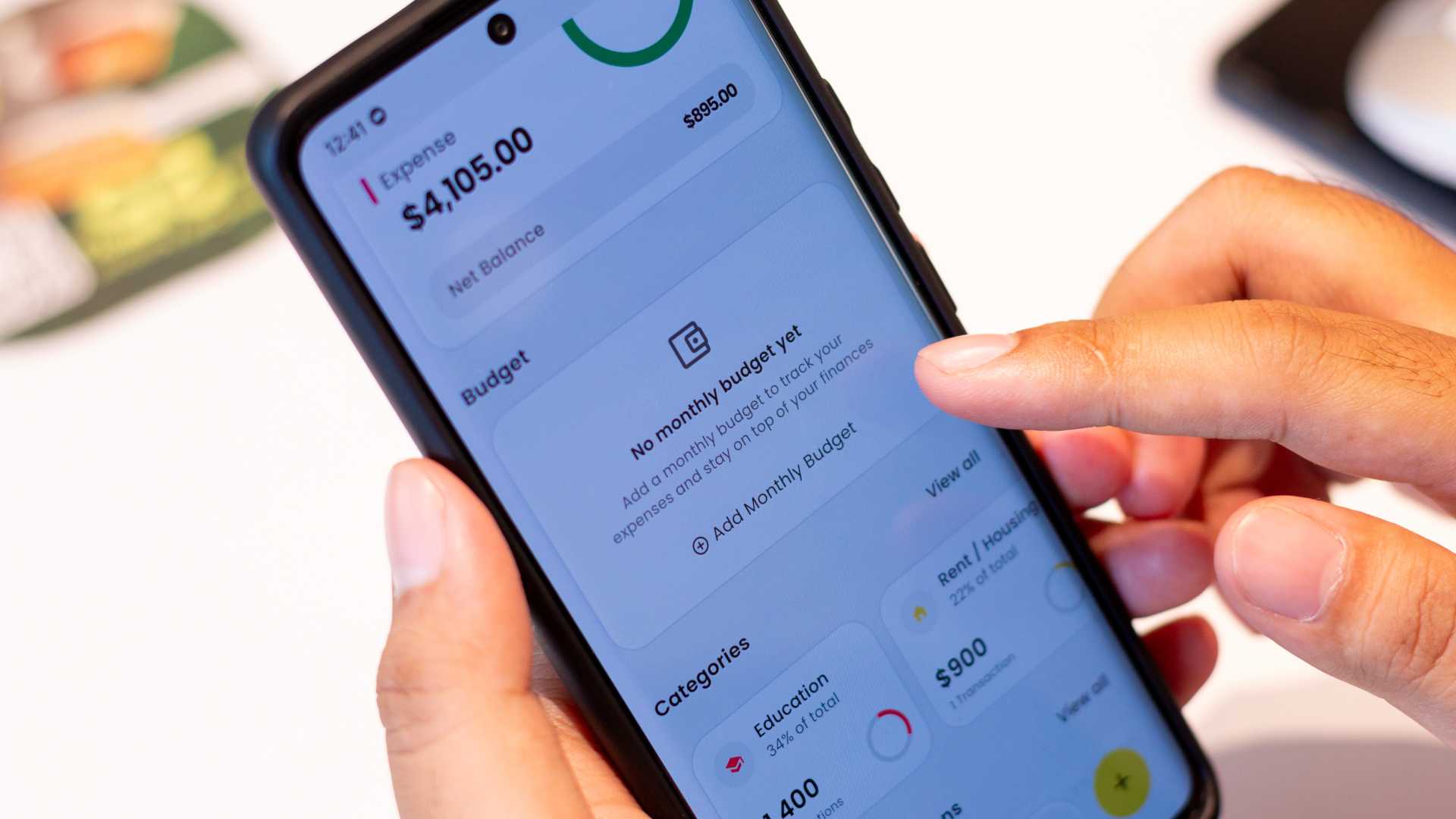
How do I set up a personal budget tool for a divorce case?
Treat this as a numbered procedure, not a vibe check. Do it once, do it cleanly, and you will save your file hours of paralegal time.
- Connect the accounts that actually funded the household, including accounts in the other spouse’s name that you have lawful access to. Do not access anything you do not have lawful access to. That is its own catastrophe.
- Pull a full twelve months back from the date of separation, not from today. The marital standard of living is a during-the-marriage question.
- Categorize to match the format your attorney will actually file, not the tool’s default buckets. Ask for the firm’s affidavit categories at the first meeting and rename the tool to match. This single step is the most concrete piece of advice on this page.
- Separate the recurring from the annual. Insurance, property tax, camps, tuition, car registration, and the vet do not show up in a single month. Those are the categories people forget, which is why affidavits understate the real cost of living.
- Flag every transaction you cannot explain, and do not delete it. Unexplained transfers are the attorney’s job. Deleting them is the opposing expert’s gift.
- Export to PDF and CSV both. The PDF is for the file. The CSV is what lets your attorney and any expert re-sort the data without re-keying it.
Which tools can I use?
Quicken is a workhorse for people who want desktop control and a clean export. Mint is gone. Practical alternatives that clients actually finish using include Empower (formerly Personal Capital) for a linked-account view and Monarch Money for category control that is easier to rename to affidavit buckets. YNAB is built for forward budgeting; it can work if you are disciplined about historical imports, but it is not the first tool I hand someone who only needs a twelve-month lookback.
Cape Fear Family Law is not compensated for naming these products. Use whatever tool you will actually finish. The method matters more than the logo on the login screen.
Download our Client Resource Guide – Alimony:
The Standard‑of‑Living Budget Method
How to Build the Twelve-Month Record a North Carolina Court Will Actually Look At
What categories does the court actually want to see?
Default app categories are written for personal finance, not for a North Carolina financial affidavit. Rename the buckets before you spend a weekend coloring transactions. Ask your attorney for the firm’s category list at the first meeting. Then make the tool match the paper.
Typical affidavit-facing groups include housing, utilities, food, transportation, insurance, medical, childcare and school, debt service, personal care, recreation, and the annual items you must spread across twelve months. The names on your county’s form may differ slightly. The method does not.
| Category | What usually belongs here | Memory trap |
|---|---|---|
| Housing | Mortgage or rent, HOA, repairs, furnishings | One-off repairs and furniture get treated as “not normal” |
| Utilities and household | Power, water, internet, phone, streaming, cleaning | Subscriptions hide and look optional after separation |
| Food | Groceries, school lunch, dining out, coffee runs | Dining out is remembered as “rare” when the card says weekly |
| Transportation | Car payment, gas, rideshare, registration, maintenance | Annual registration and two tires vanish from a single-month snapshot |
| Insurance and medical | Health, auto, life, deductibles, prescriptions, therapy | Premiums paid from a spouse’s payroll never hit “your” memory |
| Children | Childcare, activities, camps, tuition, supplies, sitters | Camps and travel sports are annual and get left off |
| Debt service | Credit cards, personal loans, HELOC used for lifestyle | People describe the lifestyle and forget it was borrowed |
| Personal and recreation | Gym, pickleball, hair, clothes, travel, hobbies | Fitness and local travel get treated as luxuries instead of the marital pattern |

How far back should my records go?
Twelve months back from the date of separation is the working rule for this method. That window captures seasons. It captures property tax, registration, camps, holidays, and the months you actually ate at home. A three-month snapshot is a mood. A twelve-month export is a pattern.
If the marriage was shorter than a year, use the whole marriage. If spending exploded in the last year because of a renovation or a medical event, keep those transactions and flag them. Do not clean the data until it looks like the life you want the court to see. The court is not asking for your highlight reel.
Statements, tax returns, and paystubs still matter. The budget tool is the transaction backbone. The spreadsheet is the annotation layer. Do not confuse the two.
What if my spouse controlled all the money?
Then you still have work to do, and you still have rights. Lawful access is the line. Joint accounts, accounts you are an authorized user on, and records already in your possession are fair game. Logging into an account you were never authorized to use is not a clever discovery strategy. It is a problem.
If you cannot see the accounts, write down what you do know. Who paid the mortgage. Whose name is on the cars. What the kids’ school and activities cost. Which cards came in the mail. Bring that inventory to the first meeting. Formal discovery exists for a reason. Your job is not to become a secret agent. Your job is to stop guessing about the parts you can already prove.
One client arrived with nothing more than a store grocery loyalty card—yet by downloading a year of purchase history and pairing it with tuition invoices, she mapped out a concrete, twelve-month baseline of household expenses that forced the court to take notice
What if my spending changed after we separated?
It usually does. One household becomes two. The gym membership you shared looks different. Dining out may drop or spike depending on who is holding the kids that night. That post-separation cash flow is real, and it belongs in a different conversation.
Do not let the new budget rewrite the old one. Alimony still asks what the marriage cost. If you slashed spending after you moved to a smaller place in Youngsville or Creedmoor, that is survival. It is not proof that the marital standard of living was the smaller place. Keep the twelve-month marital export and the post-separation budget as two files. Mix them and you hand the other side a muddle.
Standard of living FAQ
How do I prove my standard of living for alimony in North Carolina?
Use categorized monthly figures from real transactions for the twelve months before the date of separation, exported to match the financial affidavit your attorney will file. Memory estimates are not proof. Bank and card records, organized into affidavit categories, are.
What is the marital standard of living in a North Carolina alimony case?
It is the actual cost of the life the marriage funded — housing, food, children, insurance, debt service, and the annual items people forget — not a feeling and not a future wish list. The court uses that picture, with the other statutory factors, when it decides amount and duration.
How do I show my monthly expenses for court?
Connect the household accounts you have lawful access to, categorize twelve months to match your attorney’s affidavit list, spread annual costs across twelve months, flag anything you cannot explain, and export PDF plus CSV. Bring that package to counsel instead of a reconstructed guess.
What does the court want to see for alimony?
A testable number. Income, needs, the marital lifestyle, and the other factors the statute lists. Soft, last-minute estimates invite cross-examination. A twelve-month categorized export invites a conversation about the actual household.
Do I need a financial affidavit in a North Carolina divorce?
When support is at issue, you should expect to produce sworn financial information in the format your county and your attorney use. The affidavit is only as strong as the records behind it. The budget method is how you feed that form.
Can a budget app replace my lawyer?
No. The app produces the raw material. Your lawyer decides what is relevant, what is annual versus monthly, what needs an explanation, and how it lands in the claim. Do not file a raw Quicken printout and call it advocacy.
What if we lived on debt?
Then say so with the statements. A lifestyle funded by credit cards and a HELOC is still a lifestyle, and it is also a warning about sustainability. Hiding the debt does not make the dinners cheaper. Showing the debt is how a supporting or dependent spouse stays honest with the court.
Does this matter if I am the one who may pay alimony?
Yes. The method does not take a side. A supporting spouse with a clean twelve-month export can show what the marriage actually cost and what it took to fund it. Guessing high or low is how people talk themselves into a number they cannot defend.
Stop estimating. Start exporting. Download The Standard-of-Living Budget Method for the categories, the twelve-month rule, and the export your attorney actually wants, then bring those numbers to a consult.
Download our Client Resource Guide – Alimony:
The Standard‑of‑Living Budget Method
How to Build the Twelve-Month Record a North Carolina Court Will Actually Look At