
Direct Answer from Darlene Garcia
“In North Carolina, adultery isn’t just a betrayal of the heart—it’s a massive financial lever that can completely dictate the outcome of an alimony claim. Under NC law, if a ‘dependent’ spouse commits illicit sexual behavior during the marriage, they are generally barred from receiving alimony, while if a ‘supporting’ spouse is the one who cheated, the court is legally required to order alimony payments. Essentially, a ‘spring fling’ in Raleigh or Smithfield can turn into the most expensive financial mistake of a person’s life.”
Does Cheating Affect Alimony in North Carolina?
Yes, cheating—formally known as “illicit sexual behavior”—is the single most powerful factor in North Carolina alimony cases. Unlike other factors that a judge “may” consider, adultery creates mandatory outcomes depending on which spouse stepped outside the marriage. In the eyes of NC law, marriage is simultaneously an intimate relationship and one of the most significant legal contracts you’ll ever enter. When someone sabotages that deal, the court doesn’t just shrug; it adjusts the checkbook.

Does Cheating Affect Alimony in North Carolina?
Yes, cheating—formally known as “illicit sexual behavior”—is the single most powerful factor in North Carolina alimony cases. Unlike other factors that a judge “may” consider, adultery creates mandatory outcomes depending on which spouse stepped outside the marriage. In the eyes of NC law, marriage is simultaneously an intimate relationship and one of the most significant legal contracts you’ll ever enter. When someone sabotages that deal, the court doesn’t just shrug; it adjusts the checkbook.
Why Infidelity Changes the Financial Math
In Raleigh and Smithfield, we look at alimony through the lens of two roles: the supporting spouse (the one who makes more money) and the dependent spouse (the one who needs financial support).
- If the dependent spouse cheated: They are typically barred from receiving a single cent of alimony, regardless of how much they “need” it.
- If the supporting spouse cheated: The court is generally required to award alimony to the innocent dependent spouse.
- If both cheated: The judge has the discretion to decide whether or not to award support.
Board Certified Family Law Specialists Janet L. Gemmell has practiced family law for over 20 years all over North Carolina. She told me, “I’ve seen cases in Wake County where a spouse was looking at a five-figure monthly alimony payout, only for a single confirmed ‘date’ at a hotel in North Hills to end her alimony payday. She went from stay-at-home Barbie to waiting-on-tables Raggedy Ann.” While I did not go and ever see her slinging plates of food, I did high-five my client when we received the evidence pamphlet from his PI (private investigator).” Check out her Homewrecker’s Evidence Guide for 2026.
Listen, you don’t get to blow up your marriage partnership and then ask your victim to fund your new life. Janet further noted while laughing, “sorry Barbie – that’s why his house is now called Ken’s Mojo Dojo Casa House.”

Can a Cheating Spouse Get Alimony in NC?
The short answer is usually no, if they are the dependent spouse. North Carolina General Statutes are very clear: if the spouse seeking support committed acts of illicit sexual behavior during the marriage and before the date of separation, the court shall not award alimony. Cohabitation after the date of separation also terminates alimony even before it could be ordered.
The Exceptions to the Rule
There are a few “loopholes” that defendants in Wake and Johnston County try to use:
- Condonation: This is the legal term for “forgiveness.” If you knew about the affair, stayed, and continued to have a marital relationship, the court may rule that you “condoned” the behavior, which can nullify it as a bar to alimony.
- The “Innocent” Cheater: If both spouses cheated, the “bar” is lifted, and the judge goes back to looking at standard factors like income, duration of marriage, and standard of living.
- After-Separation Conduct: Generally, cheating that happens after you move into separate residences doesn’t count—unless it is used to prove that the affair actually started before the separation. And remember what I said about cohabitation which cuts off alimony permanently.
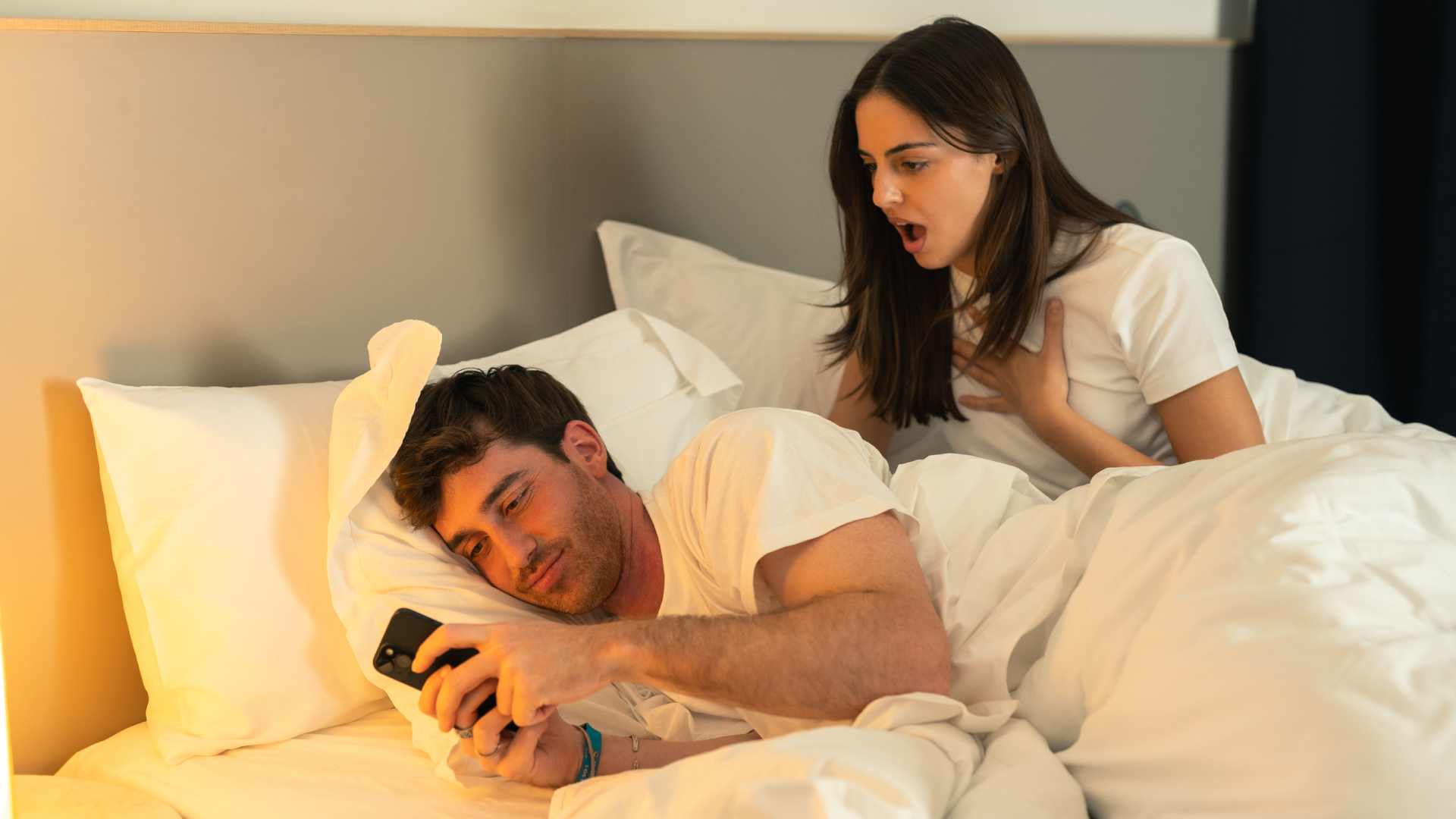
Adultery and Alimony NC Law: The Mandatory Award
When the “supporting” spouse (the breadwinner) is the one caught in an affair, the legal landscape shifts in favor of the spouse left behind. In these cases, the law says the court shall award alimony to the victim.
This isn’t just about “punishing” the cheater; it’s about acknowledging the loss of the “marital contract.” Juries and judges in North Carolina are increasingly saying that marriage has real, tangible, cash value. When an affair destroys the stability of a home in Smithfield or a future in Cary, the “price” of that booty call goes up exponentially.
What is “Illicit Sexual Behavior”?
In 2026, the definition of an affair has evolved. While “Criminal Conversation” specifically focuses on the act of sexual intercourse, “illicit sexual behavior” for alimony purposes can be broader. It generally includes:
- Voluntary sexual intercourse.
- Cunnilingus or fellatio.
- Other “lewd” sexual acts between the spouse and a third party.
Our firm recently helped with a case where the spouse claimed they were ‘just friends’ with a co-worker in Apex. Our client and their spouse shared a Verizon phone plan. The calls and text messaging data showing the quantity of calls and timing was a gold mine. The photos our client took of find friends data, along with an Apple Pay receipt showed that the cheaters phones were ‘stacked’ at a local event at The Tap Yard. In 2026, digital footprints are the new DNA. If you leave a trail, the PIs (private investigators like Blackman Detective Services) will find it.
What Happens to Alimony if Spouse Cheated in NC?
The process of proving adultery in an alimony case often runs parallel to a civil claim for Alienation of Affection (AoA). In North Carolina, you can’t sue your spouse for the affair itself, but you can sue the “third party interloper” (the paramour) for the malicious destruction of your marriage’s love and affection.
The Wake/Johnston County Comparison Table: Alimony Outcomes
| Scenario | Supporting Spouse (has $) | Dependent Spouse (no $) | Alimony Result |
|---|---|---|---|
| Scenario A | Innocent | Cheated | Barred. No alimony awarded. |
| Scenario B | Cheated | Innocent | Mandatory. Court must award alimony. |
| Scenario C | Cheated | Cheated | Discretionary. Judge decides based on facts. |
| Scenario D | Innocent | Innocent | Standard. Based on financial need/ability. |
The Wake and Johnston County Edge: Courthouses and Culture
Navigating a case in Raleigh (Wake) is vastly different from Smithfield (Johnston).
- Wake County: The judges (and juries in alienation of affection cases) are often tech-savvy and professional. They have little patience for “influencers” or “TikTok stars” who think the rules don’t apply to them. Evidence involving digital tags, GPS, and encrypted messaging is common here.
- Johnston County: This is a community that deeply values the “institution” of marriage and family. Judges and juries here are known for having strict moral compasses. If a third party interferes with a marriage in a community like Clayton or Archer Lodge, they should be prepared for a jury that doesn’t just “slap wrists”—they award damages that can dismantle a lifetime of wealth. A judge here values the sacrifice of a stay-at-home mom or dad.
The “Long Arm” of the Law in the Triangle
Because Raleigh is a hub for travel and business (RDU Airport), we often see cases where the “lover” lives in another state. North Carolina’s “Long Arm Statute” allows our courts to reach out and grab defendants who don’t even live here if the injury to the marriage happened on our soil. If your spouse met someone on a business trip to Research Triangle Park, that person could be facing a lawsuit in a North Carolina courtroom.
Spring does not just mean that love is in the air along with pollen. For cheaters it means that paying alimony is in the air. In a recent case, a spouse started cheating with a one-afternoon stand with a co-worker traveling in from South Carolina for a all-hands meeting. What seemed like a one-time event, turned into a true secret affair that crossed state lines. The spouse even traveled to a hotel at South of the Border (gross and yuck) to participate in illicit behavior. The Courts here cared about the needs of the victim dependent spouse who was home while meanwhile Pedro oversaw the out-of-state tryst.
How to Protect Your Financial Future
If you suspect infidelity, the clock is ticking. You have a three-year statute of limitations to file for Alienation of Affection, but alimony issues must be addressed during the divorce process itself. You still need to file an action if you are not receiving support payments or the Court may think you are trying to do some self-help.
Steps to Take If You Suspect Cheating:
- Don’t Confront Them Yet: You need evidence, not a confession that will be retracted later.
- Check the “Digital Paper Trail”: Look at shared accounts, Life360, Applepay and even Starbucks apps (frequent “buy one get one” orders are a red flag).
- Consult a Specialist: Many law firms settle alimony all the time but ask the attorney you are consulting with the last time someone actually went to Court and obtained Post Separation Support and Alimony. At Cape Fear Family Law, a month does not go by (and sometimes a week does not go by) where one of the attorneys here is not stepping into the courtroom for a scheduled hearing on spousal support.. We know the playbook.
FAQs: Adultery and Alimony in North Carolina
Does an “emotional affair” affect alimony?
For Alienation of Affection, an emotional affair can absolutely count if it destroyed the love in the marriage. However, for the mandatory alimony bar or award, the law generally requires “illicit sexual behavior,” which usually implies a physical component. Stop here though because some evidence allows us to infer a physical relationship occurred. You do not need to have the smoking gun, sometimes smoke is enough to prove that fire occurred.
What if we were already “separated” but living in the same house?
In North Carolina, you are not “legally separated” until you live in separate residences with the intent to remain apart. If the cheating happened while you were still under the same roof—even if you were sleeping in separate beds—it counts. It was cheating.
Can I sue the person my spouse cheated with?
Yes. This is called Alienation of Affection and Criminal Conversation. While alimony is handled in family court, these are civil lawsuits filed against the third party. Juries in NC have recently awarded as much as $1.75 million in these types of cases.
Does a one-night stand count?
Yes. For Criminal Conversation, you only need to prove one act of sexual intercourse. For alimony, one act of “illicit sexual behavior” is enough to trigger the mandatory rules. A single event can be just as damaging as a long term affair to the victim. However, a one-night stand can also be easily forgiven and condoned if you stay married and living together after learning of the event.
What kind of “Damages” are involved?
In an alimony context, the “damage” is the loss or gain of monthly support. In a civil AoA case, juries look at loss of companionship, mental anguish, and even the loss of the spouse’s future income.
Don’t let them walk away with your former future for free. If your marriage has been interfered with, you need a team that knows how to handle high-stakes, high-emotion, and legally complex cases. Whether you are in Raleigh, Smithfield, Jacksonville or Wilmington, we are ready to help you protect what is yours.
Schedule a Confidential Consultation Today
Comparison: Alimony vs. Civil Claims (AoA/CC)
| Feature | Alimony (Family Court) | AoA / CC (Civil Court) |
|---|---|---|
| Who is Sued? | Your Spouse | The “Paramour” (The Lover) |
| The Goal? | Monthly support or a “bar” to it. | A “nice fat payment” / damages. |
| Proof of Sex? | Required for mandatory “ISB” rules. | Required for CC; Not for AoA. |
| Marriage Quality? | Relevant to the amount. | Must prove “genuine love” existed. |