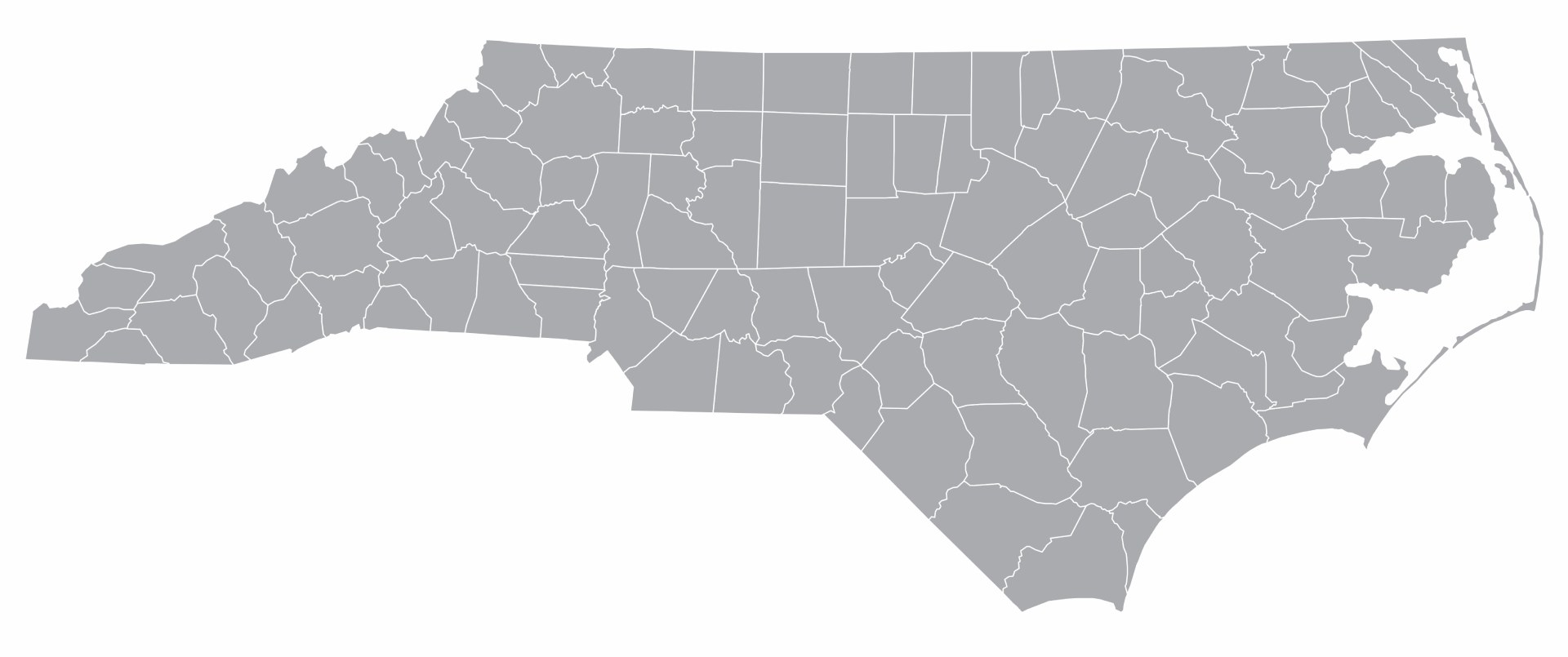
Here are some links to family law attorneys in other counties.
- Separating Together – Adrian J. Davis, Wake County
- Rosen Law Firm – Durham, Cabarrus, Wake, Orange, Gaston, Johnston, Mecklenburg Counties

Here are some links to family law attorneys in other counties.

North Carolina trial judges are cautious about digital evidence. Screenshots can be fabricated, modified, or taken out of context. To get digital evidence admitted under North Carolina Rule of Evidence 901 (Authentication), you must establish its authenticity, completeness, and chain of custody.

The following matrix summarizes common methods of capturing digital evidence in North Carolina family law proceedings:
Yes, it is entirely legal to screenshot text messages sent directly to your device or sent within a group thread that includes you. Because you are a party to the communication, you have lawful access to the messages. To ensure admissibility in court, capture complete conversation threads that display the sender’s phone number or contact header, alongside full date and time stamps.
Yes, Life360 or Apple Find My location data can be used in North Carolina custody cases if the account was established mutually and you accessed the location data legally through your own authorized user profile. Location logs can help corroborate or refute claims regarding travel times, missed custody handoffs, or presence at unapproved locations. However, if you secretly log into your spouse’s private account after separation to track them, that data becomes inadmissible and exposes you to legal sanctions.
Yes, Ring camera and video doorbell footage is routinely admitted in North Carolina family court to document custody exchanges, property damage, or domestic disturbances. Because outdoor entryways and driveways do not carry an expectation of privacy, footage captured by property-mounted cameras is lawful. To introduce Ring footage in trial, you must provide the raw video file, preserve the embedded metadata, and verify the time and date of the recording.
Installing spyware, keyloggers, or hidden tracking software on a spouse’s phone is a crime in North Carolina under the NC Wiretap Act (N.C.G.S. § 15A-287) and Computer Trespass laws (N.C.G.S. § 14-458), as well as federal wiretap statutes. Any evidence obtained through spyware is strictly inadmissible in family court. Furthermore, the spouse who installed the spyware faces potential felony charges, mandatory payment of opposing attorney fees, and severe loss of credibility with the judge in custody and financial rulings.
Under North Carolina Rule of Evidence 901, you prove digital evidence is authentic by demonstrating that the evidence is what you claim it to be. This requires showing a clear chain of custody, providing unedited files containing native metadata, cross-referencing screenshots with official cellular carrier billing statements, or presenting witness testimony from the individual who captured or received the transmission.
Navigating digital evidence in a divorce or custody dispute requires technical precision and experienced legal counsel. One wrong move can turn valuable evidence into a legal liability.
Protect your rights and secure your family’s future with our actionable digital evidence resources:
Ready to discuss your case directly with an expert? Schedule a Confidential Consultation with Board-Certified Family Law Specialist Janet L. Gemmell at Cape Fear Family Law Today.
Select the North Carolina County that your case will be filed in to see which of our attorneys practice within your county. Then choose a lawyer form the list to read more about each attorney.

We know what to do and we actively share our knowledge.

Honesty in action and a good moral compass.

Active understanding without judgment.

To yourself, your clients, your colleagues and the court.